1. Trang Chủ
  2. ///
Logo Banner Home

Tác Giả thích nhất hạnh

Tổng hợp sách của tác giả thích nhất hạnh

Xem thêm đầy đủ hơn thích nhất hạnh tại: https://tusach.vn/tac-gia/thich-nhat-hanh

hạnh phúc mộng và thực (tái bản)

Hạnh phúc là gì? Tại sao những ý niệm của bạn về hạnh phúc lại lắm khi giam hãm bạn trong cực cùng khổ luỵ? Tại sao hạnh phúc lại quá đỗi mong manh? Có thứ hạnh phúc nào bền vững, an ổn và không tiềm ẩn những hệ lụy? Hạnh phúc đích thực là gì? Làm thế nào để có thể đạt được hạnh phúc đích thực ngay trong hiện tại?

Với Hạnh Phúc Mộng Và Thực, thiền sư Thích Nhất Hạnh sẽ tặng cho bạn những gợi ý thú vị để bạn có thể khám phá một cách tường tận diện mạo địch thực của hạnh phúc.

trái tim của trúc lâm đại sĩ

Trái Tim Của Trúc Lâm Đại Sỹ chính là con đường dẫn người đọc đến với tâm hồn rộng mở bao la của vị thiền sư đã sáng lập nên thiền phái Trúc Lâm Yên Tử: Trúc Lâm Đại Sĩ Trần Nhân Tông. Ông là vua thứ ba của nhà Trần, hai lần lập công đánh quân Nguyên Mông. Sau khi nhường ngôi cho Thái tử một thời gian, ông đi thuyết pháp ở khắp nơi, rồi lên Yên Tử tu Phật. Tác phẩm gồm mười hồi, trình bày phương pháp tu tập của Thiền sư. Những điển tích Phật giáo khó hiểu được cắt nghĩa rõ ràng, ý tứ thâm trầm sâu xa của Đại Sĩ được cảm hiểu qua một cái nhìn không còn vướng chấp của thiền sư Thích Nhất Hạnh. Bước vào tác phẩm là bạn bước vào trái tim mình, để biết sống hồn nhiên với con người bản thể, sống giữa trần mà vui với đạo.

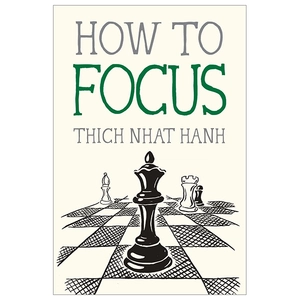
how to focus (mindfulness essentials)

How To Focus (Mindfulness Essentials)

The simple, refreshing meditations of Zen Master Thich Nhat Hanh give us the tools to cultivate concentration. Practicing mindfulness brings concentration, and concentration brings insight and understanding.

With our world experiencing the deep effects of loneliness, digital overload, and a proliferation of potential distractions, this pocket-sized How To book reminds us of the value of developing our concentration, so we can let go of misperceptions and cultivate the clarity of mind that is the basis for understanding ourselves, each other, and the world.

Written with characteristic simplicity and kindness, these wise meditations teach us that by practicing mindfulness in daily life, we are cultivating the power of concentration and fostering the conditions that bring insight, liberating us from misperceptions and misunderstanding.

The Mindfulness Essentials series is a back-to-basics collection from world-renowned Zen Master Thich Nhat Hanh that introduces readers to the essentials of mindfulness practice. All Mindfulness Essentials books are illustrated with playful sumi-ink drawings by California artist Jason DeAntonis.

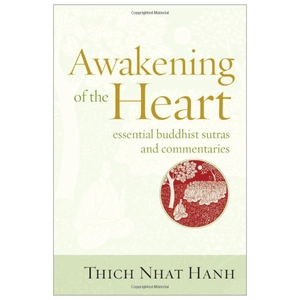
awakening of the heart : essential buddhist sutras and commentaries

'Awakening of the Heart' is a comprehensive, single volume collection of the Buddha's key sutras, translated with contemporary commentary by Zen master Thich Nhat Hanh, making the Buddha's teachings accessible and applicable to our daily lives and times.

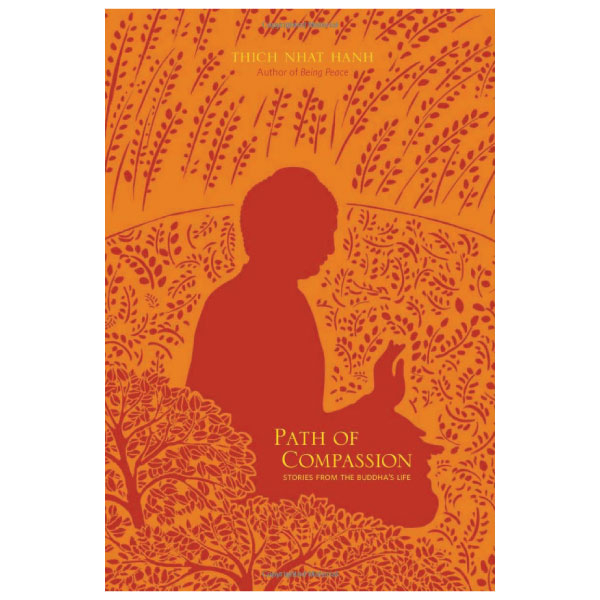
path of compassion : stories from the buddha's life

Path of Compassion is a collection of key stories from Thich Nhat Hanh’s classic Old Path White Clouds, a book celebrating its 20th publishing anniversary this year. It tells the fascinating life story of Prince Siddhartha, who left his family and renounced his carefully guarded life, and after many years of spiritual seeking became the Buddha, the Enlightened One. Far more than the description of an unusual life story, it serves as an enjoyable, compelling, and informative introduction to Buddhism by conveying its most important teachings in a compact and accessible format.Thich Nhat Hanh’s ability to show the Buddha as a person who deals with the same life issues as we do is unique and unsurpassed. Written in language accessible to readers of all ages and levels of experience Thich Nhat Hanh combines the description of the major life stages of the Buddha with his most important teachings. Reaching far beyond the biography genre Path of Compassion is a highly readable and informative introduction to Buddhism.

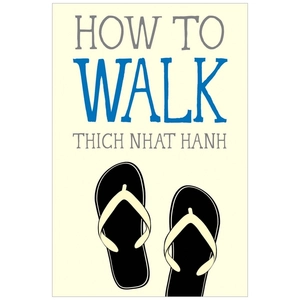
how to walk

How To Walk

An introduction to mindful walking, which can be done anywhere, at any time—even on a commute to work or school.

The fourth book in the bestselling Mindfulness Essentials series, a back-to-basics collection from world-renowned Zen Master Thich Nhat Hanh that introduces everyone to the essentials of mindfulness practice.

Slow, concentrated walking while focusing on in- and out-breaths allows for a unique opportunity to be in the present. There is no need to arrive somewhere—each step is the arrival to concentration, joy, insight, and the momentary enlightenment of aliveness. When your foot touches the Earth with awareness, you make yourself alive and the Earth real, and you forget for one minute the searching, rushing, and longing that rob our daily lives of awareness and cause us to "sleepwalk" through life.

Thich Nhat Hanh shares amusing stories of the impact mindful walking has on both the walker and those who notice him, and shows how mindful walking can be a technique for diminishing depression, recapturing wonder, and expressing gratitude. Pocket-sized, with original two color illustrations by Jason DeAntonis, How to Walk is a unique gift for all ages, sharing a simple practice that can have a profound effect on practitioners.

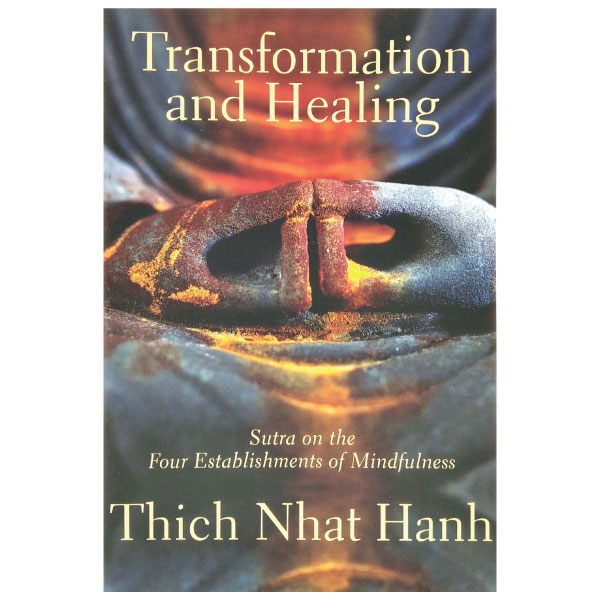
transformation and healing : sutra on the four establishments of mindfulness

The Sutra has been studied, practiced, and handed down with special care from generation to generation for 2,500 years. In these commentaries, Thich Nhat Hanh guides the reader to an understanding of the fundamental basis of the Buddhist practice and encourages application in daily life. The book describes the four methods of mindfulness: mindfulness of the body, the feelings, the mind, and the object of mind. It teaches how to deal with anger and jealousy; to nurture the best qualities in our children, spouse, and friends; and to greet death with compassion and equanimity. Three versions of the Sutra on the Four Establishments of Mindfulness are presented here, along with Thich Nhat Hanh’s insightful commentary, his discussion of breathing techniques, and 23 exercises ? or contemplations ? to aid in the daily practice of mindfulness. Accessible to novice Buddhists as well as more advanced practitioners, this second edition features a new introduction by the author.

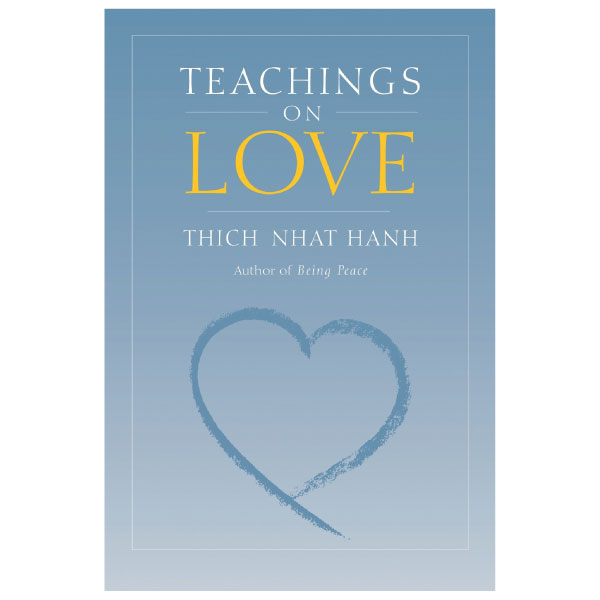
teachings on love

Relationships are always complex and challenging, but never more so than in today’s hectic, stressful world. Weaving together traditional stories, personal experiences, and a deep understanding of the Buddha's way of mindful living, Thich Nhat Hanh's Teachings on Love provides step-by-step practices that foster understanding and intimacy in any relationship and extend our love even to those who cause us pain. This book, written in the author's trademark clear, encouraging style, contains essential guidance for couples, families, co-workers, or friends who wish to nourish the gift and strength of their relationships and deal creatively with weaknesses and difficulties. Teachings on Love provides a time-tested path that anyone can follow to nurture the deepest love in themselves and others. Nhat Hanh has written an illuminating new introductory chapter for this second edition.

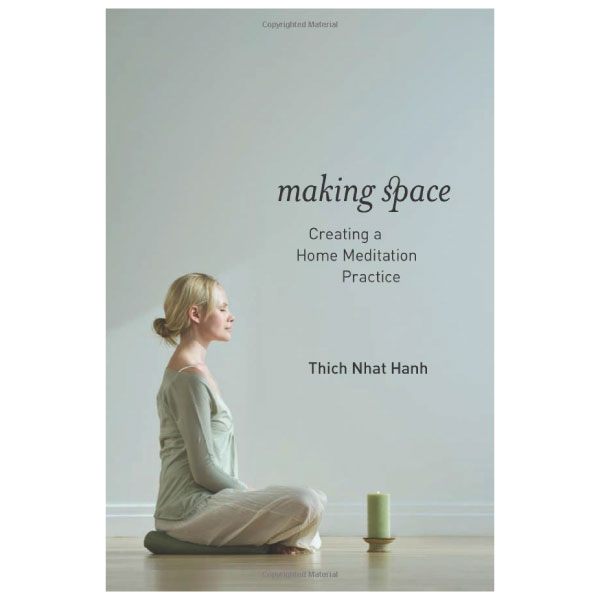
making space : creating a home meditation practice

"Find peace and calm amid the busyness of your life with this new book by Zen Master Thich Nhat Hanh. Designed to be both inspiration and guidebook for those new to mindfulness practice, Making Space offers easy-to-follow instructions for setting up a breathing room, listening to a bell, sitting, breathing, and walking meditations, and cooking and eating a meal in mindfulness. Whether you live alone or with a family, this beautifully illustrated book can help you create a sense of retreat and sanctuary at home"--

how to eat

Eating is a chance to return to the present moment. "How to Eat" is the second in Parallax's series of how-to titles by Zen Master Thich Nhat Hanh. These friendly, pocket-sized books contain several delightful illustrations by Jason DeAntonis, and are appropriate for those practicing in any spiritual tradition and all levels of familiarity with mindfulness practice. "How to Eat" clearly and succinctly explains how you can incorporate eating as a form of meditation. The book provides practical advice on how to become truly nourished through the mindful preparation, serving, eating, and cleaning up of food. Eating a meal in mindfulness reveals that you are nourished by the whole universe. This awareness helps develop compassion and understanding, reminding practitioners that there are things they can do to help nourish people who are hungry and lonely. "How to Eat" encourages moderation and taking time to truly savor what we eat. By doing so, you too can become healthier, more fully enjoy what you eat, and help reduce waste.

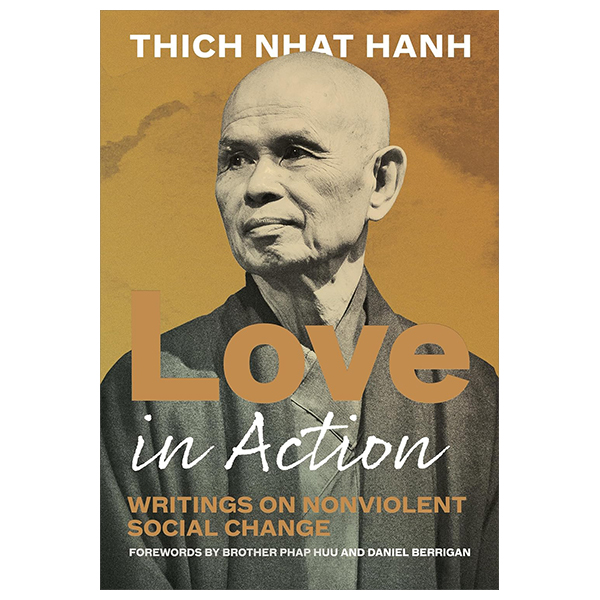
love in action, second edition - writings on nonviolent social change

Love In Action, Second Edition - Writings On Nonviolent Social Change

Be inspired by 21 key writings on nonviolence and reconciliation by Vietnamese peace activist and refugee advocate Zen master Thich Nhat Hanh

"The essence of nonviolence is love," Thich Nhat Hanh says. "Out of love and the willingness to act selflessly, strategies, tactics, and techniques for a nonviolent struggle arise naturally." Collecting essays written by Thich Nhat Hanh at crucial moments of social transformation, Love in Action is an important resource for anyone engaged in social work, community organizing, political action, and cause-oriented movements.

Reflecting on the devastation of war, Thich Nhat Hanh makes the strong argument that ethics and altruistic love based on mindfulness and insight are the only truly sustainable bases for political action. Having played a central role in the Buddhist nonviolent movement for peace in Vietnam during the 1960s and serving as Chair of the Buddhist Peace delegation to the Paris Peace Accords in 1973, Thich Nhat Hanh speaks with the voice of experience: "There is no way to peace. Peace is the way."

Together with essays on the connections between outer engagement and the inner work for peace, this anthology also features poetry and the script of the hauntingly beautiful 1972 play, The Path of Return Continues the Journey. The play's characters are drawn from the author's own life, the young men and women of his School of Youth for Social Service--many of whom were killed for their social actions. "At 12:30 a.m. on July 5, 1967, in the village of Binh Phuoc, Gia Dinh Province, a group of strangers abducted five young men, brought them to the bank of the Saigon River, and shot them," reports Thich Nhat Hanh. "All five were volunteer workers in the School of Youth for Social Service, a nonviolent organization that sought only to heal the wounds of war and reconstruct the villages." An elegy and a prayer for peace, the script shows a less-known side of the young Thich Nhat Hanh: grieving, profoundly in touch with his sorrow and pain, and channeling his anguish into art, inspired by love.

fragrant palm leaves: journals 1962-1966 (thich nhat hanh classics)

Fragrant Palm Leaves: Journals 1962-1966 (Thich Nhat Hanh Classics)

"These remain [Thich Nhat Hanh's] most intimate writings—a rare record of his unselfing, which made him himself: the monk who brought mindfulness to the world."—The Marginalian

Regarded by many as Thich Nhat Hanh's most personally revealing and endearing book, these collected journals chronicle the first-hand experiences of the Zen Master as a young man in both the United States and Vietnam, just as his home country is plunged into war and turmoil.

"It isn't likely that this collection of journal entries, which I'm calling Fragrant Palm Leaves, will pass the censors... I'll leave Vietnam tomorrow." Thus Thich Nhat Hanh begins his May 11, 1966 journal entry. After leaving Vietnam, he was exiled for calling for peace, and was unable to visit his homeland again until 2004. In the interim, Thich Nhat Hanh continued to practice and teach in the United States and Europe, and became one of the world's most respected spiritual leaders.

But when these journals are written, all of that is still to come. Fragrant Palm Leaves reveals a vulnerable and questioning young man, a student and teaching assistant at Princeton and Columbia Universities from 1962-1963, homesick and reflecting on the many difficulties he and his fellow monks faced at home trying to make Buddhism relevant to the people's needs. We also follow Thich Nhat Hanh as he returns to Vietnam in 1964, and helps establish the movement known as Engaged Buddhism.

A rare window into the early life of a spiritual icon, Fragrant Palm Leaves provides a model of how to live fully, with awareness, during a time of change and upheaval.

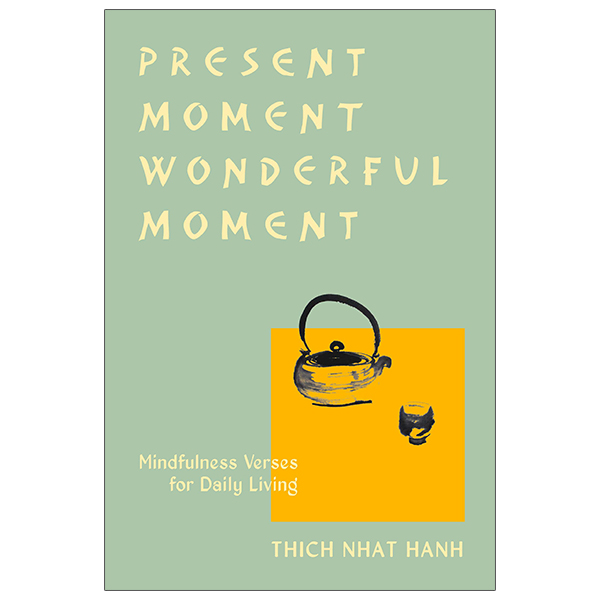
present moment wonderful moment

Present Moment Wonderful Moment

Beloved Zen Master Thich Nhat Hanh offers 79 meditations to help you through your daily routines in a peaceful and mindful way and connect to the joy of the present moment

Waking up this morning, I smile. Twenty-four brand new hours are before me.

This beautifully illustrated book shares a simple verse with an enlightening commentary that will give you the space and heart to live each day in a connected and calm way. Developed during a summer retreat in Plum Village, Thich Nhat Hanh's meditation center in France, these poetic verses were collected to help people practice mindfulness. The result is a handbook of practical, down-to-earth verses. These gathas, or mindfulness verses, are poetic verse designed to turn ordinary daily activities such as washing the dishes, driving the car, or standing in line, into opportunities to return to a natural state of mindfulness and happiness.

Reciting these poetic yet practical verses can help us to slow down and enjoy each moment of our lives.

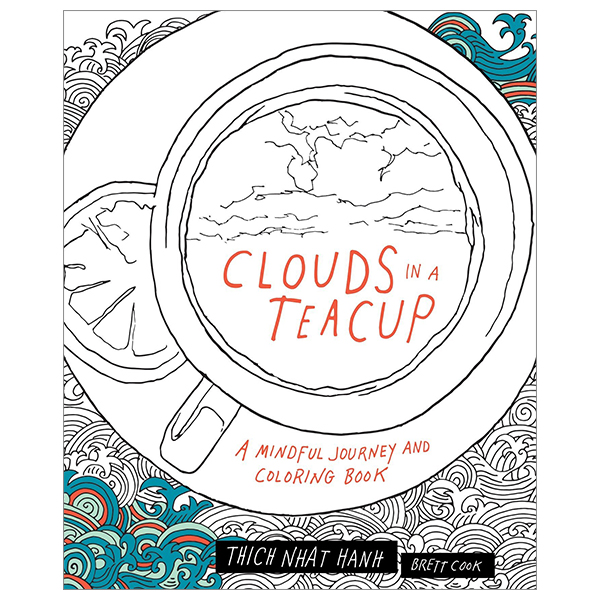
clouds in a teacup: a mindful journey and coloring book

Clouds In A Teacup: A Mindful Journey And Coloring Book

As soon as you open the cover of Clouds in a Teacup, you step into a contemplative journey of your own creation. Oakland, California artist and activist Brett Cook invites you to shed your stress and worries to consider the wisdom of Thich Nhat Hanh during the relaxing process of coloring. His evocative black and white images nurture your own creativity; the resulting pictures will reflect your vision.

Clouds in a Teacup balances reflection and action, providing a personal springboard to contemplation and expression. Everyone has creativity within them, and these drawings nurture the meditative potential of the process, helping to relieve stress and increase joy, and rewarding you with compelling final images.

The 40 images, including double page spreads, are printed on the highest quality recycled paper through which gel and colored pens will not bleed.

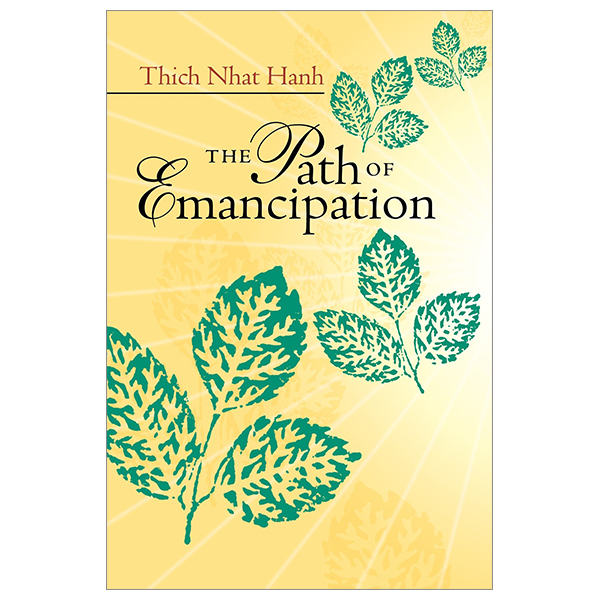
the path of emancipation

The Path Of Emancipation

The Path of Emancipation transcribes Thich Nhat Hanh's first twenty-one day retreat in North America in 1998, when more than four hundred practitioners from around the world joined him to experience mindfulness. This book deliberately preserves the tone and style of a retreat, including soundings of the bell, meditation breaks, and the question-and-answer sessions. This not only provides a genuine feeling of a retreat for those who have not had the chance to participate in one, but it also preserves this wonderful practice time for those who have attended. In The Path of Emancipation, Thich Nhat Hanh translates the Buddhist tradition into everyday life and makes it relevant and transforming for us all. Studying in-depth the Discourse on the Full Awareness of Breathing, he teaches how mindfulness can help us reduce stress, and live simply, confidently, and happily while dwelling in the present moment.

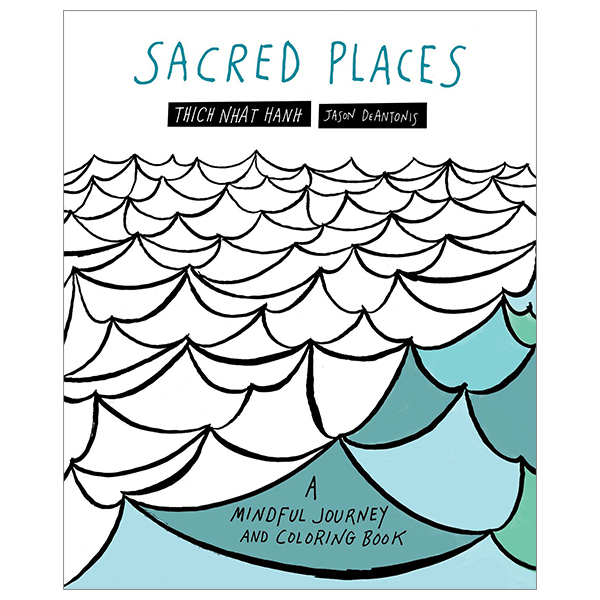
sacred places: a mindful journey and coloring book

Sacred Places: A Mindful Journey And Coloring Book

In this second book in our Mindful Journey Coloring Book series, Thich Nhat Hanh’s wisdom is paired with black-and-white renderings of magical places and simple interiors created by multi- faceted Berkeley, California artist Jason DeAntonis, the bestselling illustrator of the Mindfulness Essentials series. Each image offers a contemplative setting that you can make your own; the process of applying your own vision while considering Nhat Hanh’s teachings will allow for deep relaxation, creative abandon, and the creation of personal happiness. All images are printed on the highest quality non-bleed recycled paper.

is nothing something?: kids' questions and zen answers about life, death, family, friendship, and everything in between

Is Nothing Something?: Kids' Questions And Zen Answers About Life, Death, Family, Friendship, And Everything In Between

In Is Nothing Something? Zen Master Thich Nhat Hanh answers heartfelt, difficult, and funny questions from children of all ages. Illustrated with original full-color artwork by Jessica McClure, Is Nothing Something? will help adults plant the seeds of mindfulness in the young children in their lives. Beginning with the most basic questions, "What is important in life?" and "Why is my brother mean to me?" and progressing through issues that we all wrestle with, such as "How do I know if I really love somebody?", "How long am I going to live?", and "What does God look like?", each page presents a question with a short answer from Thich Nhat Hanh, appropriate for beginning readers to work with on their own. The back of the book has the first complete children’s biography of Thich Nhat Hanh, along with basic, kid-friendly instructions for mindful breathing and mindful walking. Both humorous and profound, Is Nothing Something? is the perfect resource for kids with questions, adults looking to answer them, and anyone with questions of their own.

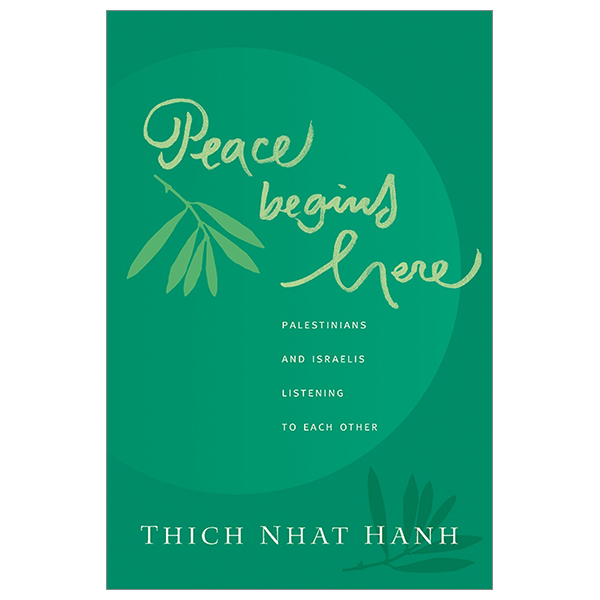
peace begins here: palestinians and israelis listening to each other

Peace Begins Here: Palestinians And Israelis Listening To Each Other

In this highly anticipated Buddhist perspective on resolving conflict, Nobel Peace Prize nominee Thich Nhat Hanh demonstrates how a real peace process is based on spiritual,not political strength. Inspired by an ongoing Buddhist retreat project for Israelis and Palestinians, this book offers practical ways to handle our strong emotions and misperceptions and provides a possible way out of the ongoing conflict in the Middle East.

Peace Begins Here is rich with stories from individual Israelis and Palestinians, as well as examples from Thich Nhat Hanh’s life, including his experience with nonviolent action during the war in Vietnam and its aftermath. Highlights include personal stories from participants in the peace retreats and Thich Nhat Hanh’s collected practices for peace, including deep listening, deep relaxation, mindful walking, mindful eating, and loving speech.

where is the buddha?

Where Is The Buddha?

A new story for children from Zen Master Thich Nhat Hanh: a young boy named Minh goes on a journey to find the Buddha, only to discover the Buddha is in each one of us

Minh loves going to the temple with his parents. Everyone is nice to him there as they go about their daily work. But his favorite part of the temple is the Buddha statue. He is very impressed by all of the bananas, mangoes, and other fruits that people leave for the Buddha. He imagines that the Buddha must really like all of those fruits! To Minh, the Buddha statue is the Buddha.
As Minh grows up, eventually he realizes that the Buddha statue isn't actually the Buddha. But if the statue isn't the Buddha, then what is? Where is the Buddha? With his characteristic insight, sincerity, and sense of humor, Thich Nhat Hanh guides young readers through a charming tale of discovery, beginning in India with the story of the historical Buddha, Siddhartha, and then on to Vietnam with Minh and his quest. 

Includes a section at the end of the book on How to Be a Buddha, with basic breathing exercises and meditations for children.

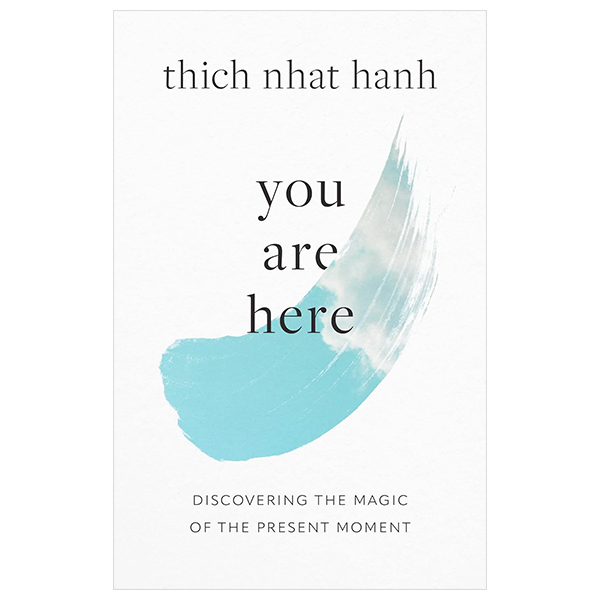
you are here - discovering the magic of the present moment

You Are Here: Discovering the Magic of the Present Moment

Cut through the busyness and anxieties of daily life to discover the simple happiness of living in the present moment, as taught by a world-renowned Zen monk

In this book, Thich Nhat Hanh—Zen monk, author, and meditation master—distills the essence of Buddhist thought and practice, emphasizing the power of mindfulness to transform our lives. But true mindfulness, Hanh explains, is not an escape. It is being in the present moment, totally alive and free.

Based on a retreat that Thich Nhat Hanh led for Westerners, You Are Here offers a range of effective practices for cultivating mindfulness and staying in the present moment—including awareness of breathing and walking, deep listening, and skillful speech. These teachings will empower you to witness the wonder of life and transform your suffering, both within and outside you, into compassion, tenderness, and peace. As Thich Nhat Hanh declares, “the energy of mindfulness is the energy of the Buddha, and it can be produced by anybody.” It is as simple as breathing in and breathing out.

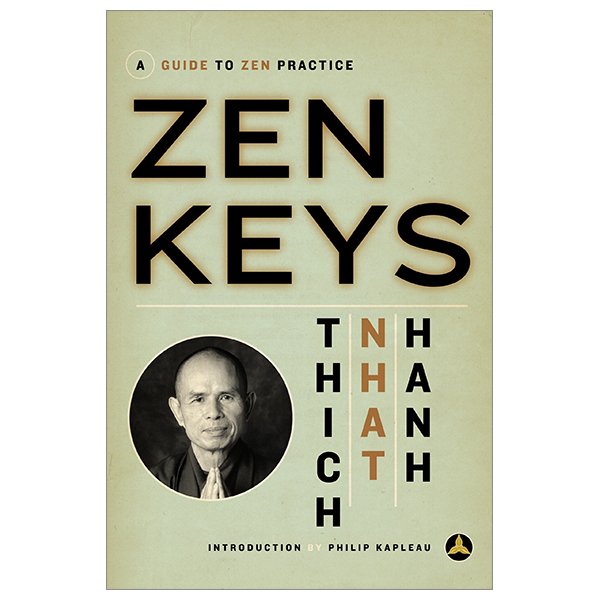
zen keys: a guide to zen practice

Zen Keys: A Guide To Zen Practice

Thich Nhat Hanh brings his warmth and clarity to this unique explication of Zen Buddhism. Beginning with a discussion of daily life in a Zen monastery, Nhat Hanh illustrates the character of Zen as practiced in Vietnam, and gives the reader clear explanations of the central elements of Zen practice and philosophy.

Thorough attention is given to concepts such as Awareness and Impermanence, and to contemporary issues such as the conflicts between modern technology and spirituality. The final section includes a set of 43 koans from the 13th century Vietnamese master, Tran Thai Tong, which are translated here for the first time into English.

Originally published in 1974, Zen Keys has been unavailable for several years but is now reissued by popular demand. Readers will find it as fresh today as when it was first written, and will be struck by the timelessness of its insights. What makes this work particularly compelling is that Nhat Hanh is able to invigorate what in other presentations may seem like empty abstract principles. The example he has set in his own life as a relentless advocate for peace brings strength and a realistic understanding to idealistic Buddhist goals.

In Zen Keys, Thich Nhat Hanh presents the philosophy which has enabled him to be mindful of peace in every moment. An excellent introduction from Philip Kapleau (author of the classic Three Pillars Of Zen ) provides background on the emerging American Zen tradition.

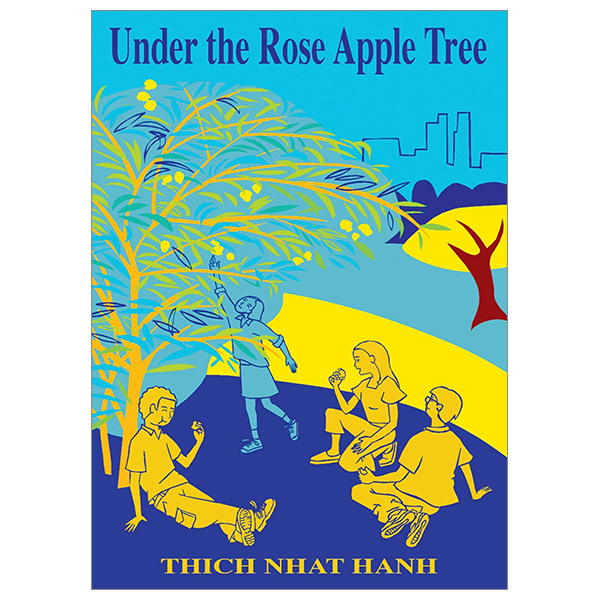
under the rose apple tree

Under The Rose Apple Tree

In this sequel to A Pebble for Your Pocket, Zen teacher and poet Thich Nhat Hanh looks deeply at the issues that confront young people in today's society. Applying his unique insights to anger, family conflict, drug use, and sexual responsibility, he makes the ancient teachings of the Buddha relevant to adolescents by offering mindfulness practices as tools to help transform the suffering in their everyday lives. Ages 10-13.

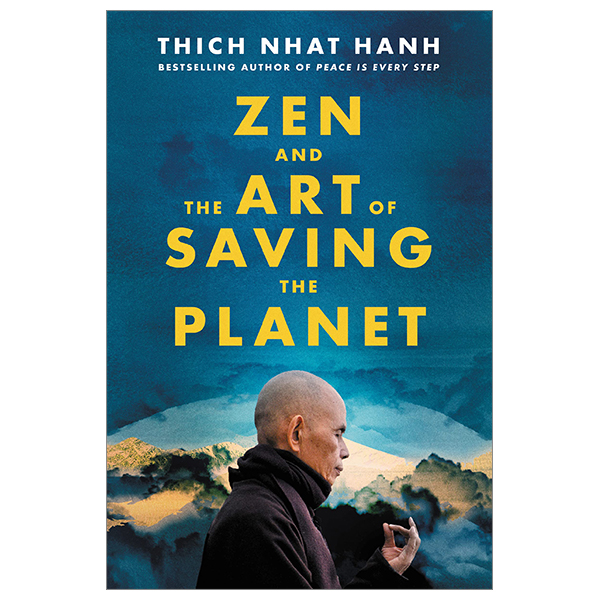
zen and the art of saving the planet

Zen And The Art Of Saving The Planet

NATIONAL BESTSELLER

“When you wake up and you see that the Earth is not just the environment, the Earth is us, you touch the nature of interbeing. And at that moment you can have real communication with the Earth… We have to wake up together. And if we wake up together, then we have a chance. Our way of living our life and planning our future has led us into this situation. And now we need to look deeply to find a way out, not only as individuals, but as a collective, a species.”

-- Thich Nhat Hanh

We face a potent intersection of crises: ecological destruction, rising inequality, racial injustice, and the lasting impacts of a devastating pandemic. The situation is beyond urgent. To face these challenges, we need to find ways to strengthen our clarity, compassion, and courage to act.

Beloved Zen Master Thich Nhat Hanh is blazingly clear: there’s one thing we all have the power to change, which can make all the difference, and that is our mind. Our way of looking, seeing, and thinking determines every choice we make, the everyday actions we take or avoid, how we relate to those we love or oppose, and how we react in a crisis.

Mindfulness and the radical insights of Zen meditation can give us the strength and clarity we need to help create a regenerative world in which all life is respected. Filled with Thich Nhat Hanh’s inspiring meditations, Zen stories and experiences from his own activism, as well as commentary from Sister True Dedication, one of his students Zen and the Art of Saving the Planet shows us a new way of seeing and living that can bring healing and harmony to ourselves, our relationships, and the Earth.

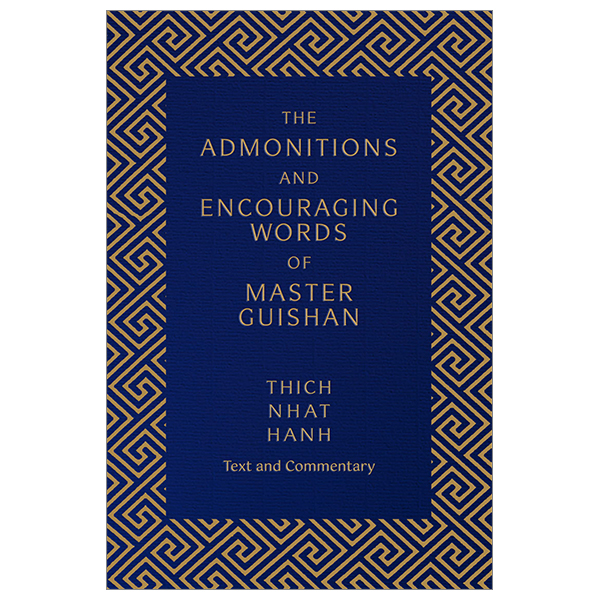
the admonitions and encouraging words of master guishan: text and commentary

The Admonitions And Encouraging Words Of Master Guishan: Text And Commentary

Thich Nhat Hanh's translation and commentary for a Buddhist text that has been long considered one of the three key books for monastic meditation practitioners

For monks, nuns, or laypeople, this text from the days of early Buddhism in China calls on us to wake up and live an authentic life dedicated to spiritual ideals. The Admonitions and Encouraging Words of Master Guishan is offered to new monks and nuns at the time of their ordination together with books on monastic codes of conduct, and it remains a companion and guide throughout their career. 

The importance of Master Guishan's Classical Chinese text cannot be underestimated. Although it is addressed to monks, it is suitable for anyone who seeks to awaken and live with clarity and intention. Thich Nhat Hanh gives a timely commentary based on his lived experience of guiding several generations of monastic and lay students on their path of practice. The text and commentary have been translated from Vietnamese into English by Bhikshuni True Virtue (Sister Annabel Laity), Thich Nhat Hanh's first Western monastic disciple.

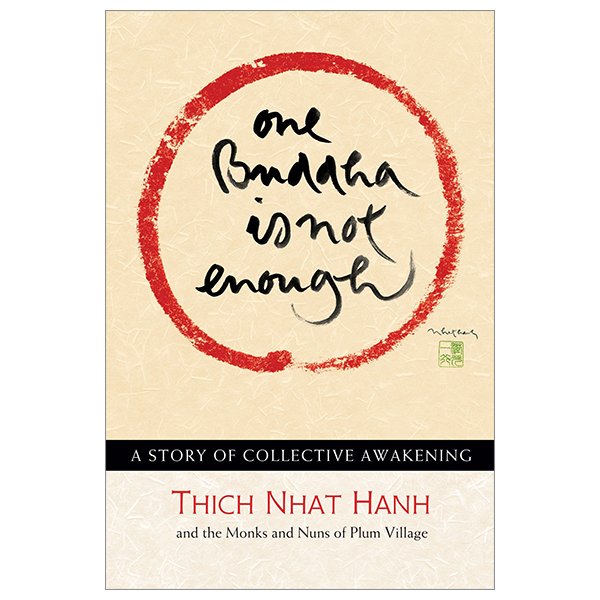
one buddha is not enough: a story of collective awakening

One Buddha Is Not Enough: A Story Of Collective Awakening

How do we learn to believe in ourselves and not just rely on our spiritual teachers? This question often directly posed to Thich Nhat Hanh as "Who will be your successor?" was answered in August of 2009 when over a thousand people came to Colorado to spend a week with Zen Master Thich Nhat Hanh only to find he was in the hospital and wouldn’t be able to lead the retreat. The result of this event is One Buddha Is Not Enough, a book on how to become your own teacher and create your own community where you might least expect it.

One Buddha Is Not Enough offers fresh and original insight from emerging Buddhist teachers on topics such as how to handle grief, strengthen our relationships, deal with anger and other strong emotions, and find happiness in the present moment. Through letters, stories, poems, calligraphies, and photographs, Thich Nhat Hanh shares his unique insights on illness, health, and different healing modalities.

Far-reaching in its implication and tremendously encouraging, One Buddha Is Not Enough is a true expression of American Buddhism: We all already contain all the insight and wisdom we need. We are surrounded by the people who can help us on our journey. Sometimes all it takes is a wake up call to remind us of what we are capable of.

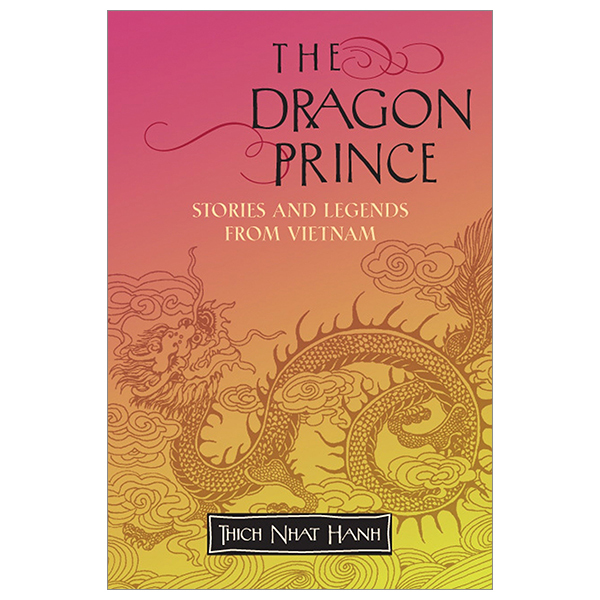
the dragon prince: stories and legends from vietnam

The Dragon Prince: Stories And Legends From Vietnam

The Dragon Prince is a collection of 15 stories and legends from Vietnam retold by Zen master poet and peace activist Thich Nhat Hanh. As in many of his teachings, Nhat Hanh emphasizes themes of cooperation and reconciliation, while providing a rich introduction to the mythical elements of Vietnamese culture.

The stories range from creation myths to tales of wars and food and custom myths, all aiming at the notion of "mindfulness," of become aware of what is happening in the moment. Imaginary characters weave through the lives of actual persons and events, blending fiction and non-fiction, magic and fantasy, into the profound realization of the interconnectedness of all beings. The tales highlight the importance of "true seeing" and focuses on transcendence rather than anguish. Above all The Dragon Prince simply contains well-told stories with clear and lyrical writing, once again giving testament to Thich Nhat Hanh's immense skill as a writer. This book is a must for every collection.

From the afterword by translator Mobi Warren:

"The heroes and heroines of these stories celebrate closeness to the Earth, the importance of assuming personal responsibility for one's conduct, and the possibility of resolving conflict through understanding rather than violence". B/W Illustrations throughout.

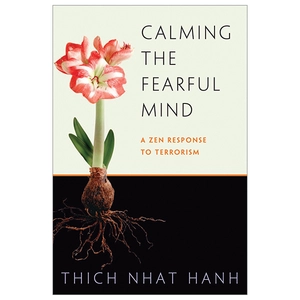
calming the fearful mind: a zen response to terrorism

Calming The Fearful Mind: A Zen Response To Terrorism

In a time of terrorism and uncertainty, how can any of us feel truly safe? Zen Master Thich Nhat Hanh looks at the real roots of terrorism and fear and offers the way out: a path of compassion and open-heartedness. In this unique book, Thich Nhat Hanh teaches that we will only be safe when we acknowledge our real enemies, not other human beings, but our own ignorance, discrimination, fear, craving, and violence. With clarity and gentleness, Nhat Hanh offers step-by-step instructions for calming the mind and looking deeply into our own misperceptions. His own generosity of spirit and love for all beings models a path out of uncertainty and towards peace. By calming our minds and looking deeply into our hearts, will we have the insight to identify the roots of terrorism. Only with the practice of compassion, deep listening, and mindful communication can terrorism be transformed and uprooted.

Calming the Fearful Mind offers key teachings designed to help heal the misunderstanding, fear, and hatred that divide us as individuals, groups, and nations. An invaluable book for anyone who has wondered how to deal with anger and the desire for retaliation. Calming the Fearful Mind is, ultimately, a book about finding peace. It takes Thich Nhat Hanh’s signature mindfulness practices and reveals how they can help us address our most challenging and most deeply rooted fears.

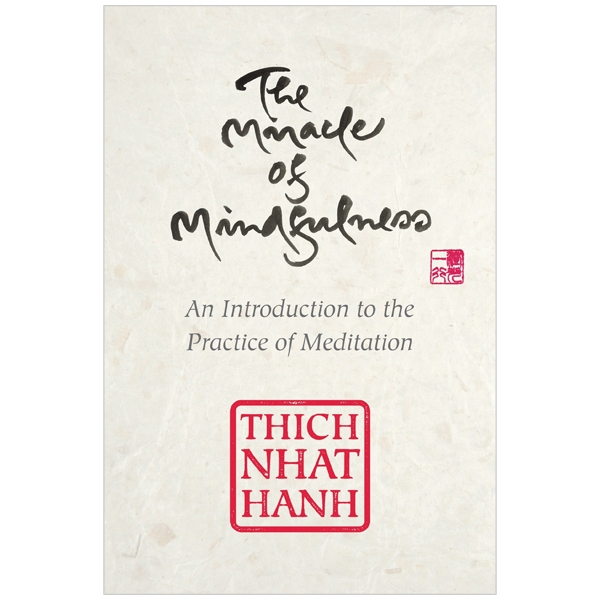
the miracle of mindfulness, gift edition: an introduction to the practice of meditation

The Miracle Of Mindfulness, Gift Edition: An Introduction To The Practice Of Meditation

A new gift edition of the classic guide to meditation and mindfulness, featuring archival photography and beautiful calligraphy by Thich Nhat Hanh

The Miracle of Mindfulness is a classic guide to meditation that has introduced generations of readers to the life-changing beauty of mindful awareness. Zen Master Thich Nhat Hanh offers gentle anecdotes and practical exercise as a means of learning the skills of mindfulness. From washing the dishes to answering the phone to peeling an orange, he reminds us that each moment holds within it an opportunity to work toward greater self-understanding and peacefulness. This gift edition features Thich Nhat Hanh’s inspiring calligraphy, photographs from his travels around the world, and a revised afterword.

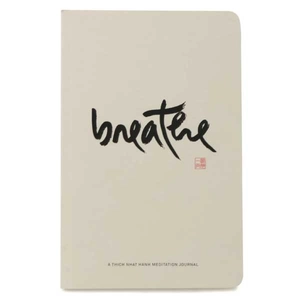
breathe: a thich nhat hanh meditation journal

Breathe: A Thich Nhat Hanh Meditation Journal

Minimalist and meditative. The Breathe Journal is a clean and simple writing companion featuring the curated insights and authentic cover calligraphy of Zen master Thich Nhat Hanh.

A simple notebook with a Zen aesthetic. This meditative journal features selected excerpts and quotes from Zen master Thich Nhat Hanh's most-loved teachings, prayers, and poems. Designed with crush-proof rounded corners, thick and flexible cover stock, and the authentic calligraphy of Thich Nhat Hanh on the cover.

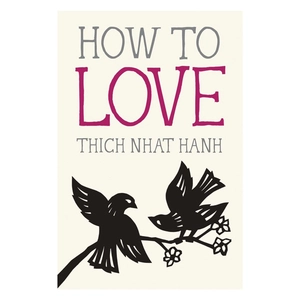
how to love (mindfulness essentials)

How To Love (Mindfulness Essentials)

The most popular book in the "How To" series: advice, practices, and food for thought from a Zen Master on our most universal emotion.

The third book in the bestselling Mindfulness Essentials series, a back-to-basics collection from world-renowned Zen Master Thich Nhat Hanh that introduces everyone to the essentials of mindfulness practice.

Nhat Hanh brings his signature clarity, compassion, and humor to the thorny question of how to love. He distills one of our strongest emotions down to four essentials: you can only love another when you feel true love for yourself; love is understanding; understanding brings compassion; deep listening and loving speech are key ways of showing our love.

Pocket-sized, with original two color illustrations by Jason DeAntonis, How to Love shows that when we feel closer to our loved ones, we are also more connected to the world as a whole. With sections on Love vs. Need, Being in Love, Reverence, Intimacy, Children and Family, Reconciling with Parents, and more, How to Love includes meditations you can do alone or with your partner to go deep inside and expand your own capacity to love.

Scientific studies indicate that meditation contributes tremendously to well-being, general health, and longevity. How to Love is a unique gift for those who want a comprehensive yet simple guide to understanding the many different kinds of love, along with meditative practices that can expand the understanding of and capacity for love, appropriate for those practicing in any spiritual tradition, whether seasoned practitioners or new to meditation.

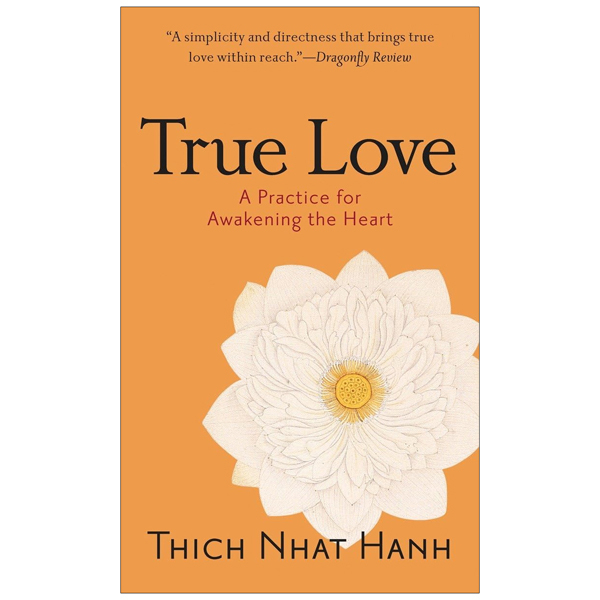
true love: a practice for awakening the heart

True Love: A Practice For Awakening The Heart

The renowned Zen master and peace activist introduces a Buddhist approach to practicing authentic love in our everyday lives

In this eye-opening guide, Zen monk Thich Nhat Hanh offers timeless insight into the nature of real love. With simplicity, warmth, and directness, he explores the four key aspects of love as described in the Buddhist tradition: lovingkindness, compassion, joy, and freedom—explaining how to experience them in our day-to-day lives. He also emphasizes that in order to love in a real way, we must first learn how to be fully present in our lives, and he offers simple techniques from the Buddhist tradition that anyone can use to establish the conditions of love. 

Thich Nhat Hanh, a Vietnamese Zen Buddhist monk, is an internationally known author, poet, scholar, and peace activist who was nominated for the Nobel Peace Prize by Martin Luther King Jr.

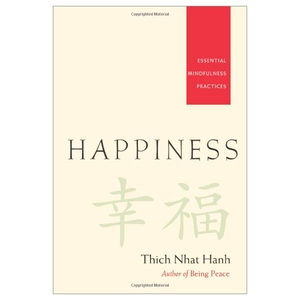
happiness - essential mindfulness practices

Happiness - Essential Mindfulness Practices

Thich Nhat Hanh's central teaching is that, through mindfulness, we can learn to live in the present moment instead of in the past and in the future. It's only way to truly develop peace, both in one's self and in the world. Now, for the first time, all Thich Nhat Hanh's key practices are collected in one accessible and easy-to-use volume.

Happiness is structured to introduce those new to Buddhist teachings as well as for more experienced practitioners, serving as a quintessential resource of mindfulness practices. Integrating these practices into daily life allows the reader to begin to cultivate peace and joy within him/herself, leading to solidity and freedom from fear, misunderstanding, and suffering.

With the practices offered in Happiness, Thich Nhat Hanh encourages the reader to learn to do all the things they do in daily life with mindfulness; to walk, sit, work, eat, and drive, with full awareness of what they are doing. It can bring about a shift towards one of the principles of engaged Buddhism, a shift towards practicing mindfulness in every moment of the day and not just while 'formally' meditating.

Thich Nhat Hanh encourages his readers to "try to be intelligent and skillful in their practice, approaching every aspect of the practice with curiosity and a sense of search. It's important to practice with understanding and not just for the form and appearance. Enjoy your practice with a relaxed and gentle attitude, with an open mind and receptive heart."

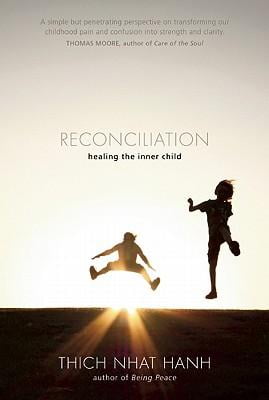
reconciliation : healing the inner child

An exciting contribution to the growing trend of applying Buddhist practices to encourage wellness and balance mental health. Reconciliation focuses on mindful awareness of our emotions and offers concrete practices to restore damaged relationships through meditations and exercises to help acknowledge and transform the hurt that many of us may have experienced as children. Reconciliation shows how anger, sadness, and fear can become joy and tranquility by learning to breathe with, explore, meditate, and speak about our strong emotions. Written for a wide audience and accessible to people of all backgrounds and spiritual traditions.

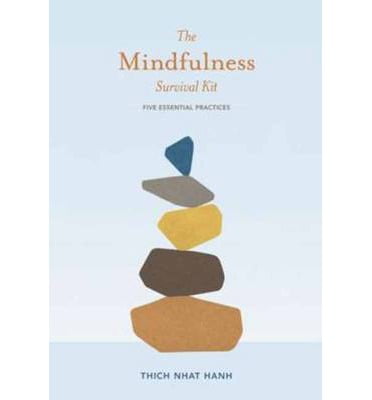
mindfulness survival kit : five essential practices

The Five Mindfulness Trainings (also referred to as ?Precepts”) ? not to kill, steal, commit adultery, lie, or take intoxicants ? are the basic statement of ethics and morality in Buddhism. In this fully revised edition, Zen Master and peace activist Thich Nhat Hanh argues eloquently for their applicability in our daily lives and on a global scale. Nhat Hanh discusses the value and meaning of each precept, offering insights into the role that it could play in our changing society.Thich Nhat Hanh calls the trainings a ?diet for a mindful society.” With this book he offers a valuable contribution to the debate, on how we can come together to define secular, moral guidelines that will allow us to explore and sustain a sane, compassionate, and healthy way of living. The Five Mindfulness Trainings offer a path to restoring meaning and value in a world marked by moral and spiritual emptiness. Whether called virtues, ethics, moral conduct, or precepts they are guidelines for living without bringing harm to others; they bring sanity and light into the world.

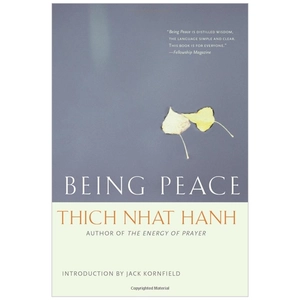
being peace

An ideal starting-point for those interested in Buddhism, Being Peace contains Thich Nhat Hanh's teachings on peace and meditation. Using real examples from his own life, as well as poems and fables, Nhat Hanh explains his key practices for living "right in the moment we are alive." These lessons are taught with fine writing and sparkling phrases that draw the reader in and make Being Peace a book that encourages multiple readings, both alone and in groups.
This new edition of Nhat Hanh's seminal bestseller marks the book's first update since it was released in 1987. It includes a new introduction by noted Buddhist Jack Kornfield and beautiful illustrations by internationally recognized artist Mayumi Oda. Still as timely as when it was first published over 15 years ago, Being Peace is a revelation for anyone concerned with the state of the world and the quality of life.

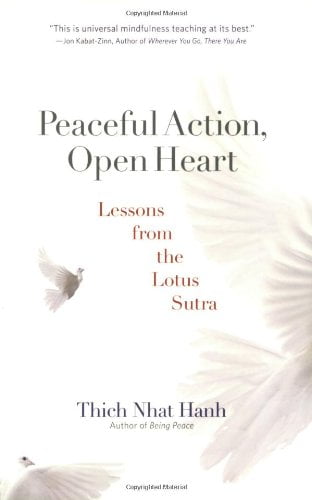
peaceful action, open heart: lessons from the lotus sutra

Peaceful Action, Open Heart shines 60 years of study and practice upon one of the crowning scriptures of the path of the Buddha, and is destined to be known as one of the most significant writings by Thich Nhat Hanh.

The Lotus Sutra is one of the most revered of Mahayana sacred texts and is sometimes called "the king of sutras." Despite this fact, there are very few commentaries in English available today. Thich Nhat Hanh explores the Sutra’s main theme-- that everyone has the capacity to become a Buddha, and that Buddha-nature is inherent in everything--but he also uniquely emphasizes the sutra’s insight that Buddha-nature is the basis for peaceful action. Since we all will one day become a Buddha, he says, we can use mindfulness practices right now to understand and find solutions to current world challenges. In his interpretation of the sutra, he suggests that if the practices, views, and insights of the Lotus Sutra would find application not only by individuals but also by nations, it would offer concrete solutions to transform individual suffering and the global challenges facing the world today.

Stamped with his signature depth of vision, lucidity, and clarity, Thich Nhat Hanh’s insights based on the wisdom of the Lotus Sutra invoke a wide range of contemporary topics and concerns, such as the Palestinian-Israeli war, the threat of terrorism, and the degradation of our environment. In proposing radical new ways of finding peaceful solutions to universal, contemporary conflicts, he not only challenges the U.N to change from an organization to a real organism working for peace and harmony in the world, but also encourages all branches of all governments to act as Sangha. In so doing, he demonstrates the practical and direct applicability of this sacred text to today's concerns.

This book has been re-released with a new title, Peaceful Action, Open Heart. The earlier hardcover edition was entitled Opening the Heart of the Cosmos.

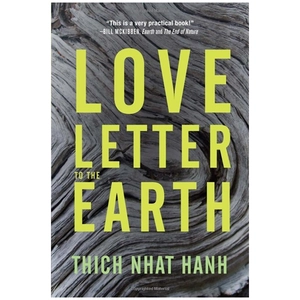
a love letter to the earth

A Love Letter To The Earth

This work is a passionate appeal for ecological mindfulness and the strengthening of our relationship to the Earth. It gives us a path to follow by showing that change is possible only with the recognition that people and the planet are ultimately one and the same.

peace is every step

In the rush of modern life, we tend to lose touch with the peace that is available in each moment. World-renowned Zen master, spiritual leader, and author Thich Nhat Hanh shows us how to make positive use of the very situations that usually pressure and antagonize us. For him a ringing telephone can be a signal to call us back to our true selves. Dirty dishes, red lights, and traffic jams are spiritual friends on the path to "mindfulness" -- the process of keeping our consciousness alive to our present experience and reality. The most profound satisfactions, the deepest feelings of joy and completeness lie as close at hand as our next aware breath and the smile we can form right now. Lucidly and beautifully written, "Peace Is Every Step" contains commentaries and meditations, personal anecdotes and stories from Nhat Hanh's experiences as a peace activist, teacher, and community leader. It begins where the reader already is -- in the kitchen, office, driving a car, walking a part -- and shows how deep meditative presence is available now. Nhat Hanh provides exercises to increase our awareness of our own body and mind through conscious breathing, which can bring immediate joy and peace. Nhat Hanh also shows how to be aware of relationships with others and of the world around us, its beauty and also its pollution and injustices. the deceptively simple practices of "Peace Is Every Step" encourage the reader to work for peace in the world as he or she continues to work on sustaining inner peace by turning the "mindless" into the mindFUL. "This book of illuminating reminders bid us to reorient the way we look at the world...toward a humanitarian perspective." -- "Publisher Weekly"

the heart of the buddha's teaching

In The Heart of the Buddha's Teaching, Thich Nhat Hanh introduces us to the core teachings of Buddhism and shows us that the Buddha's teachings are accessible and applicable to our daily lives. With poetry and clarity, Nhat Hanh imparts comforting wisdom about the nature of suffering and its role in creating compassion, love, and joy--all qualities of enlightenment. Covering such significant teachings as the Four Noble Truths, the Noble Eightfold Path, the Three Doors of Liberation, the Three Dharma Seals, and the Seven Factors of Awakening, The Heart of the Buddha's Teaching is a radiant beacon on Buddhist thought for the initiated and uninitiated alike.

trái tim của bụt (tái bản 2023)

Trái Tim Của Bụt

Trái tim của Bụt là những ghi chép tổng hợp những bài giảng của Thiền sư Thích Nhất Hạnh trong Khóa học Phật Pháp Căn Bản tại Làng Mai, Loubes-Bernac, Pháp.

Những bài học đầu tiên khái quát lịch sử Phật Giáo từ sau khi Đức Phật nhập Niết Bàn cho tới nay, với một khoảng thời gian khá dài như vậy mà trước đây kinh điển chỉ được truyền tụng bằng miệng và hơn 400 năm sau khi Bụt nhập diệt, kinh điển mới được chép thành văn, vì vậy sẽ có những điều sai lầm do nhiều thế hệ Phật tử đã nhớ sai, hiểu sai ý của Bụt.

Chính vì điều đó nên Sư ông Làng Mai đã căn dặn chúng ta cần phải học kinh điển một cách khôn ngoan, đừng bị kẹt trong những câu chữ từ kinh điển.

Phần trọng tâm nhất của cuốn sách bàn về gốc rễ của đạo Phật xoay quanh Nhị Đế – Tứ Diệu Đế – Bát chánh đạo – Duyên khởi. Thế nào là khổ, tập, diệt, đạo và ta áp dụng và nhân ra các giáo lý đó trong cuộc sống hiện tại. Chánh kiến, chánh niệm, chánh ngữ, chánh tinh tấn.. là gì? Chúng liên quan gì đến nhau và ảnh hưởng thế nào trong cuộc sống của chính mình.

Có một ý rất hay về khổ, tập, diệt, đạo như sau: “Những lúc đau răng thì khổ và ta nghĩ không đau răng là sướng. Nhưng đến khi không đau răng ta vẫn không biết sung sướng. Con người thường sống trong quên lãng như vậy. Sống trong hạnh phúc thì không nhìn thấy hạnh phúc, và sống trong khổ đau cũng không biết đó là khổ đau. Không nhận diện được đau khổ nên ta gánh cái khổ đó suốt đời.”

Qua những bài học được ghi chép lại, Thầy Thích Nhất Hạnh còn giảng dạy về cách để chúng ta tiếp nhận kiến thức mà không bị lầm đường lạc lối theo phương pháp văn – tư – tu. Văn là tiếp nạp những kiến thức mới, Tư là tư duy, nghiền ngẫm về những kiến thức đã được học và cuối cùng là Tu, tức đem những kiến thức đã học để áp dụng vào thực tế.

Học Phật không phải để tích lũy kiến thức và thấy nặng nề mà học để có thể hiểu được những cái sai lầm, để buông bỏ và thấy lòng nhẹ nhàng hơn khi học Phật Pháp, chúng ta phải làm cách nào để giáo lý của Bụt giúp cho tâm tư ta nhẹ nhàng hơn, chứ không phải làm cho ta nặng nề thêm.

Cuốn sách gồm 24 bài học, truyền tải một khối lượng lớn kiến thức nhưng bằng cách diễn đạt mạch lạc, logic và những ví dụ minh họa lồng ghép đời thực khiến chúng ta dễ dàng hiểu và tiếp thu.

Mục lục:

PHẬT PHÁP CĂN BẢN - BÀI THỨ NHẤT

Phải học kinh điển một cách khôn ngoan

Hai cách nhìn sự thật: sự phân biệt tục đế và chân đế

Tứ tất đàn: bốn tiêu chuẩn về sự thật

Bốn điều y cứ

Cây đuốc duyên khởi

Thiền hành

Nhận diện

Tiếp xúc

PHẬT PHÁP CĂN BẢN - BÀI THỨ HAI

Học phật phải thấy lòng nhẹ nhàng

Không cần chất chứa kiến thức

Khế lý cũng là khế cơ

Duyên khởi

Tương tức và tương nhập

PHẬT PHÁP CĂN BẢN - BÀI THỨ BA

Pháp thoại đầu

Bốn sự thật

Bốn sự thật tương tức

Trung đạo

Tính cách nền tảng

Tính cách nhập thế

Nghệ thuật nghe pháp thoại

Khổ và lạc

Tam chuyển

Tứ diệu đế là phép thực tập

Nhị đế

Tịch diệt

PHẬT PHÁP CĂN BẢN - BÀI THỨ TƯ

Niềm vui tương đối

Khổ thọ

Năm thủ uẩn

Hành trì thị chuyển

Rác và hoa

Niềm vui xuất thế

phật pháp căn bản - bài thứ năm

Chánh kiến

Chánh kiến về tứ diệu đế

Hạ thủ công phu

PHẬT PHÁP CĂN BẢN - BÀI THỨ SÁU

Quá trình văn tư tu

Đạo vượt trên ngôn ngữ

Kinh chánh kiến

Bốn loại thức ăn

Tưới tẩm hạt giống chánh kiến

PHẬT PHÁP CĂN BẢN - BÀI THỨ BẢY

Bát chánh đạo tương sinh tương tức

Chánh tư duy về vô thường, vô ngã

Tư duy ở trình độ xuất thế gian

PHẬT PHÁP CĂN BẢN - BÀI THỨ TÁM

Ái ngữ

Hạt giống của chánh ngữ

Bài thực tập chánh ngữ

Hạnh lắng nghe

PHẬT PHÁP CĂN BẢN - BÀI THỨ CHÍN

Chánh niệm và 51 tâm hành

Thực tập chánh niệm và chánh ngữ

Phép tu im lặng

Chánh niệm làm cơ bản

Như lý tác ý

PHẬT PHÁP CĂN BẢN - BÀI THỨ MƯỜI

Sống giây phút hiện tại

Chánh niệm làm sự sống có mặt

Chánh niệm là nuôi dưỡng

Chánh niệm làm vơi đau khổ

Chánh niệm để nhìn sâu và thấy rõ

PHẬT PHÁP CĂN BẢN - BÀI THỨ MƯỜI MỘT

Chánh niệm là tự làm chủ

Nhận diện đơn thuần

Chánh niệm là trở về

Kinh người biết sống một mình

Quán niệm thân trong thân

Rửa chén hay chép kinh trong chánh niệm

Hiện pháp lạc trú

Đâu chẳng phải là nhà

PHẬT PHÁP CĂN BẢN - BÀI THỨ MƯỜI HAI

Tiếp xúc với sự sống nhiệm mầu

Chuyển hóa xả thọ thành lạc thọ

Chánh niệm nuôi dưỡng các phần khác của thánh đạo

Năm giới

PHẬT PHÁP CĂN BẢN - BÀI THỨ MƯỜI BA

Như lý tác ý

Một bài thực tập quán hơi thở

Bài thực tập tiếp tục với hơi thở chánh niệm

Tịnh độ là ở đây

Học đời sống của bụt

Hạnh phúc ở trong ta

PHẬT PHÁP CĂN BẢN - BÀI THỨ MƯỜI BỐN

Quán chiếu cảm thọ

Nhận diện các tâm hành

Quán chiếu về tưởng để vượt thoát mê lầm

Niềm tin phải vững mạnh

PHẬT PHÁP CĂN BẢN - BÀI THỨ MƯỜI LĂM

Quán pháp trong pháp

Chánh tinh tấn

PHẬT PHÁP CĂN BẢN - BÀI THỨ MƯỜI SÁU

Tứ diệu đế và bát chánh đạo

Chánh định

Thảnh thơi

Bụt đang có mặt

Chánh định

PHẬT PHÁP CĂN BẢN - BÀI THỨ MƯỜI BẢY

Tam pháp ấn

Vô thường là vô ngã

Không, giả và trung

Niết bàn và vô tác

Tám chữ tháo tung

PHẬT PHÁP CĂN BẢN - BÀI THỨ MƯỜI TÁM

Ta đang làm gì đây?

Chuyển hóa tập khí

Thực tập năm cái lạy

PHẬT PHÁP CĂN BẢN - BÀI THỨ MƯỜI CHÍN

Tam-ma-địa và tam-ma-bạt-đề

Không giải thoát môn

Quán không trong năm lạy

Quán không trong khi ăn

Quán vô tướng

Áp dụng quán vô tướng trong cuộc sống

PHẬT PHÁP CĂN BẢN - BÀI THỨ HAI MƯƠI

Quán không, quán vô tướng

Quán vô tác vô nguyện

Áp dụng ba cửa giải thoát

Các cách trình bày khác về pháp ấn

PHẬT PHÁP CĂN BẢN - BÀI THỨ HAI MƯƠI MỐT

Bốn duyên và sáu nhân

Mười hai nhân duyên

Liên hệ giữa 12 nhân duyên

Mặt tích cực của mười hai nhân duyên

Thân thị hiện

Phật pháp căn bản - bài thứ hai mươi hai

Hộ trì sáu căn bằng chánh niệm

Tứ vô lượng tâm

PHẬT PHÁP CĂN BẢN - BÀI THỨ HAI MƯƠI BA

Tu tập từ quán

Quán chiếu để tự chuyển hóa

từ bi là hành động

Tứ vô lượng tâm và thiền quán

Phật pháp căn bản - bài thứ hai mươi tư

Niềm tin thể hiện trong đời sống

Tăng thân và pháp thân

Tam bảo là đối tượng tu học

Phật bảo

Pháp bảo

Tăng bảo

Tu tập trong tích môn thấy được bản môn

PHẬT PHÁP CĂN BẢN - BÀI THỨ HAI MƯƠI LĂM

Phụ lục - giới bản năm giới tân tu

2

Tải PDF tài liệu học tập đang trở thành lựa chọn phổ biến cho sinh viên và người đi làm nhờ tính tiện lợi và tiết kiệm thời gian. Tài liệu PDF cung cấp nhiều nội dung từ sách PDF, tài liệu nghiên cứu, đến giáo trình chuyên ngành, giúp người dùng dễ dàng lưu trữ và truy cập trên các thiết bị số. Việc sử dụng tài liệu PDF không chỉ giúp tăng cường kiến thức mà còn hỗ trợ học tập và làm việc hiệu quả hơn.

YÊU CẦU TÀI LIỆU